6 Patrice Lumumba Road, Airport Residential Area, Accra, Ghana



LEARNING SUPPORT & ESL PROGRAMS
Objectives
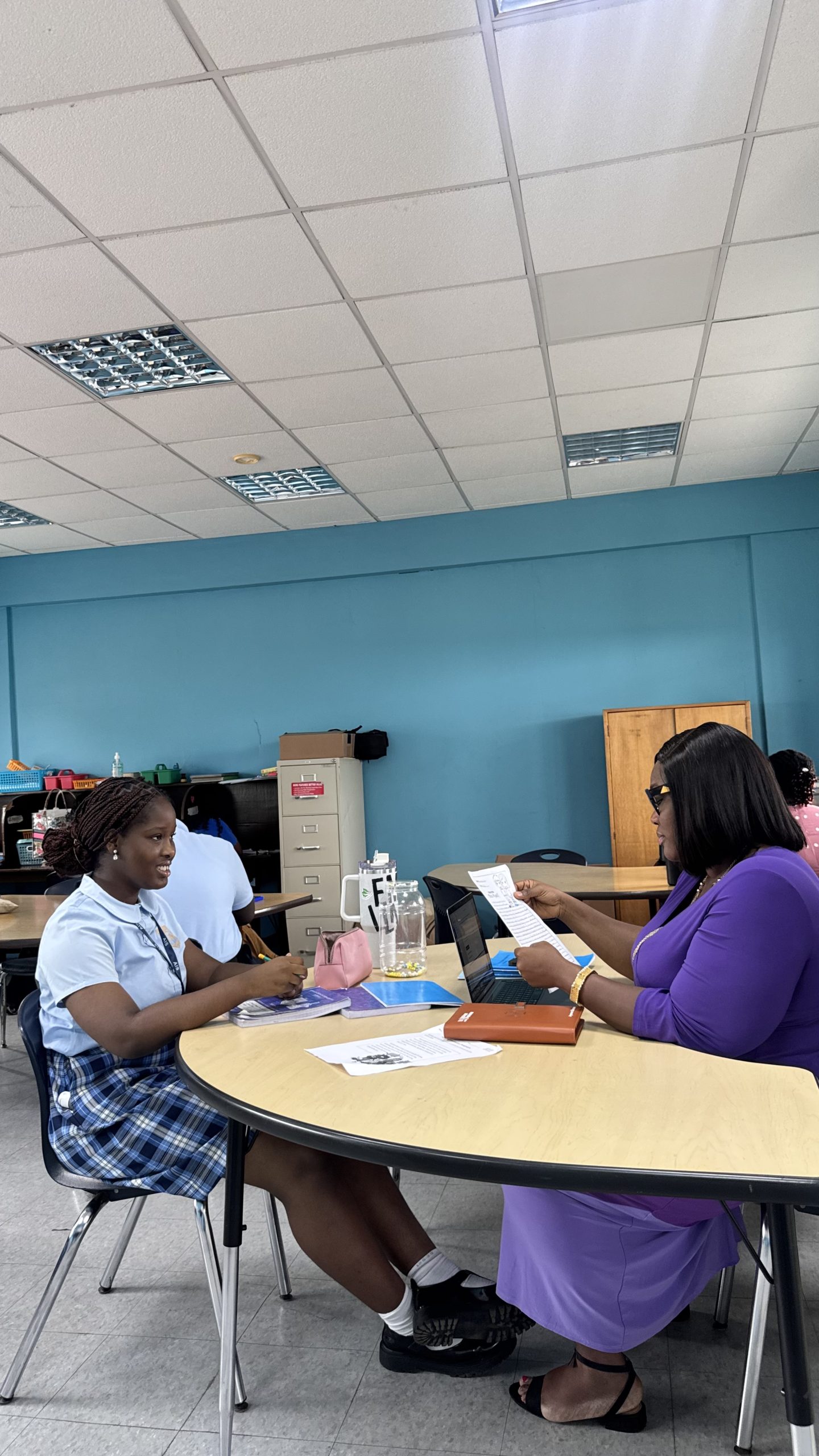
AIS recognises that some students require learning support to be successful in their academic studies. The aim of the Learning Support Team is to provide the individual student with the support necessary for him/her to achieve success in regular classes. All English as a Second Language (ESL) and Learning Support services are provided through the Learning Resource Center.
Classroom teachers, special teachers and learning support teachers should work together to meet the needs of students with different abilities, with the objective to develop motivated, confident and self-directed students. All students should have access to a broad and well-balanced curriculum; this can be achieved by all teachers collaborating to provide differentiated learning.
Admissions
The school will offer admission to students for whom an appropriate educational programme can be provided, thereby assuring a reasonable prospect for their success at the school. Students may be assessed for grade placement and learning needs.
The school can offer learning support to students with mild to moderate learning needs. It does not offer services to students with:
- ⦁ Severe learning disabilities.
- ⦁ Severe visual, hearing or motor disability.
- ⦁ Cognitive Impairments
- ⦁ Serious emotional disturbance
Student Services
ESL Support
Learning Support
(Grades 1-12)
Early Intervention Assistance
Counselling Referrals

Identification Process
The classroom teacher or parent will refer a student identified as needing support to the Division Head and teacher with supporting documentation. A meeting will be arranged between the class teacher, the LS (Learning Support) teacher and the Division Head to discuss the needs of the student. If ESL or guidance is needed, the ESL teacher and/or Guidance Counsellor will be included. A parent conference will be arranged.Important: In all conversations with parents, school staff do not ‘diagnose’ or label a particular condition (e.g., ADHD, dyslexia). They should discuss with parents the specific behaviours and performance levels that give cause for concern. Initially some classroom interventions or accommodations may be suggested; if these do not lead to the improvement desired, a referral to an outside specialist should be made.
Intervention/Provision in school
Monitoring
Monitoring the progress of students who are falling behind.
Accommodation
Accommodation plan; possible “push-in” or “pull-out” support.
Individualized Educational Plan
An Individualized Educational Plan will be developed with the class or subject teacher to support learning and behavioural needs.
Assessment
Basic academic screening by the school. Assessment by outside consultants may be recommended as necessary, i.e., speech therapists, educational psychologists or medical doctors. Short lists of referrals are available from the Learning Support Head.
Parent Involvement
A parent conference will be arranged when a student has been identified as needing support. Parent input is essential to establish the needs of the student. Regular meetings will occur with parents, class teachers and LS teachers to review progress.
Responsibilities of Learning Resource Center Team
- ⦁ Regular communication and planning with teachers.
- ⦁ Assist with modifying the curriculum for specific students.
- ⦁ Develop and implement Student Education Plans.
- ⦁ Maintain regular contact with parents.
- ⦁ Provide in-service to teachers on individual needs.
- ⦁ Assist with assessment procedures and strategies.
- ⦁ Help teachers with differentiation in the classroom.
- ⦁ Carry out classroom observations and objective assessments.
- ⦁ Assist students with strategies to overcome difficulties.
Individualized Educational Plan (IEP)
Individualized Educational Plans are termed Student Education Plans in order that parents may not be confused by the legal entitlements of IEPs they may know in their home countries.
A few students have IEPs to support their learning and behavioural needs. These are developed by the Learning Support team, and the parts needed to aid the teachers in giving support to these students are circulated to everyone who works with them. All teachers are expected to be aware of the needs of these students and collaborate in implementing the plans. All teachers’ input about the progress of these students is valuable in monitoring their plans – details of successes and difficulties should be sent to the head of the Learning Resource Center (LRC).